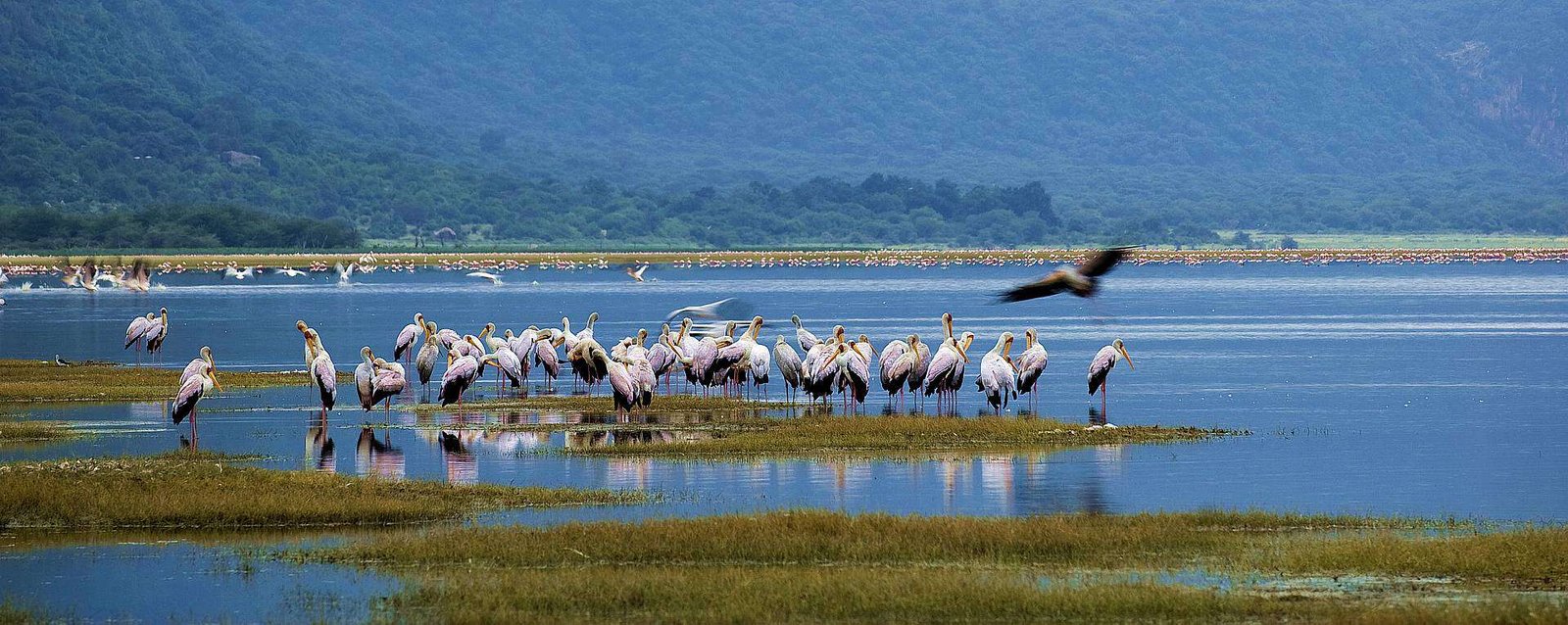
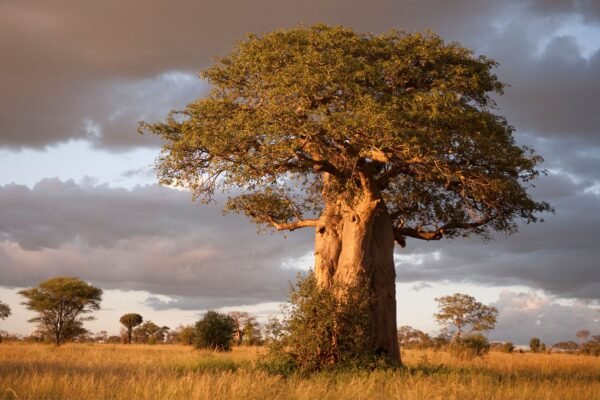
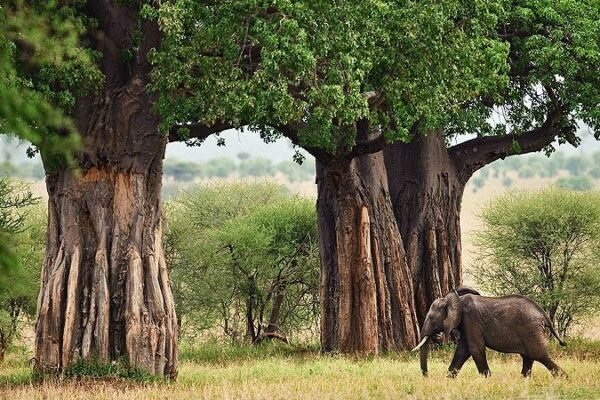
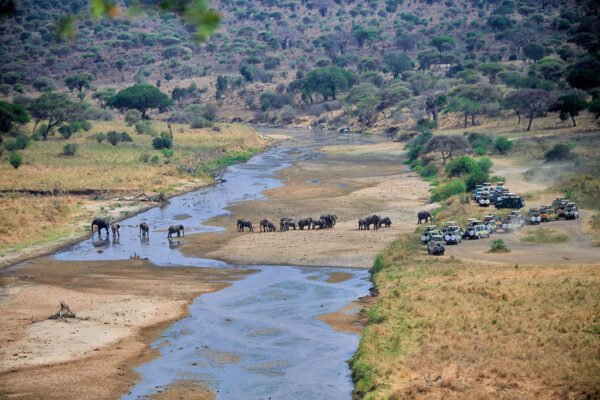
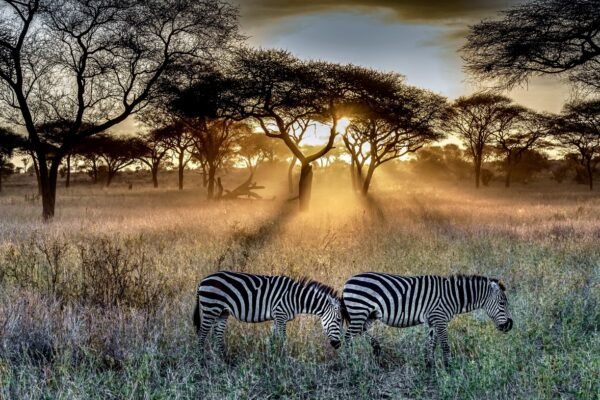
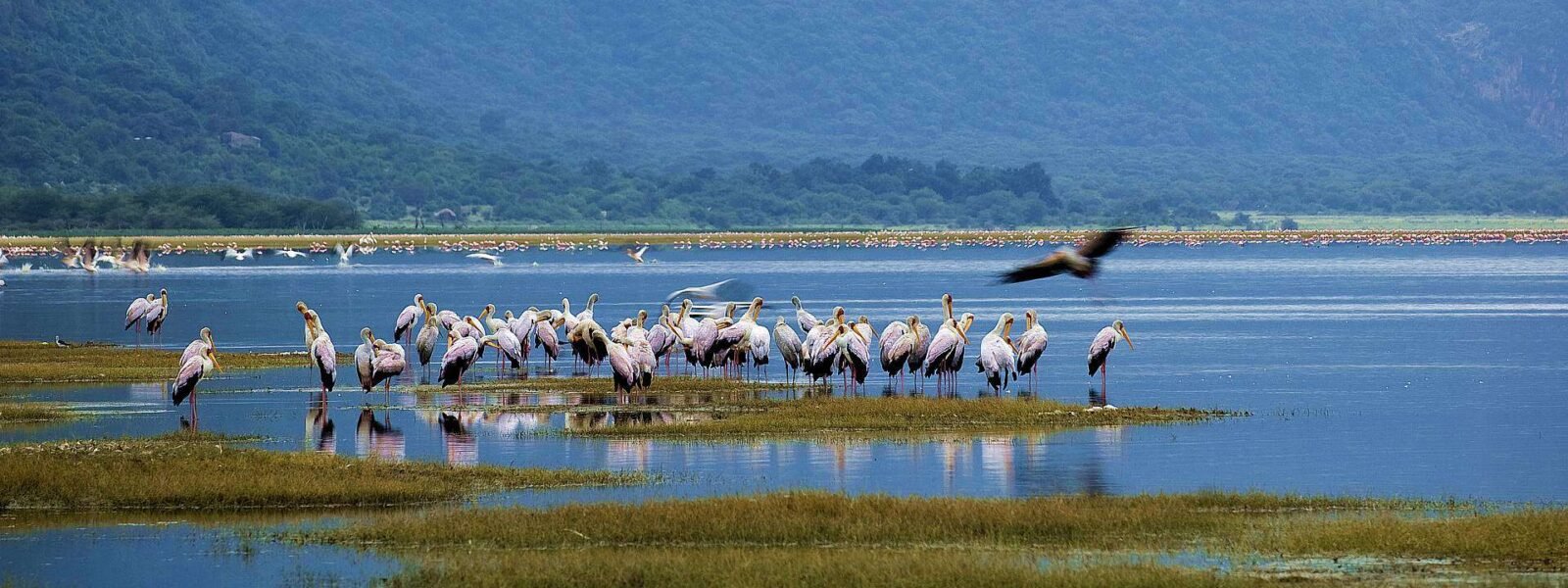
Lake Manyara National Park is a small but diverse park in northern Tanzania, known for its scenic beauty and rich wildlife. It features a shallow alkaline lake, lush groundwater forests, open grasslands, and acacia woodlands, and is famous for tree-climbing lions, large flocks of flamingos, elephants, and abundant birdlife.
Lake Manyara National Park is located in northern Tanzania at the base of the Great Rift Valley escarpment, between Arusha and Ngorongoro Conservation Area. Its convenient location makes it an easy and popular stop on the northern safari circuit.
What is Lake Manyara National Park famous for?
The park is famous for its tree-climbing lions, large flocks of flamingos, and beautiful scenery. It also offers a unique mix of habitats, including groundwater forests, open plains, swamps, and the shallow alkaline lake that covers much of the park.
What animals can be seen in Lake Manyara National Park?
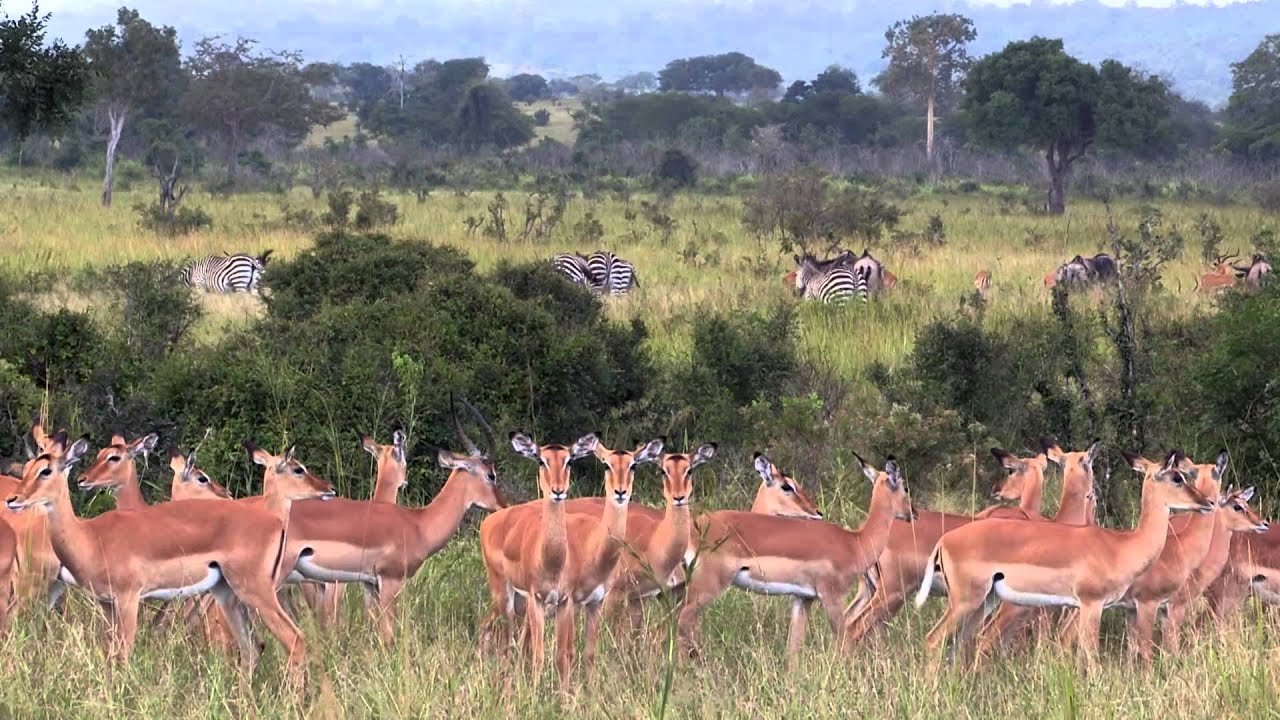
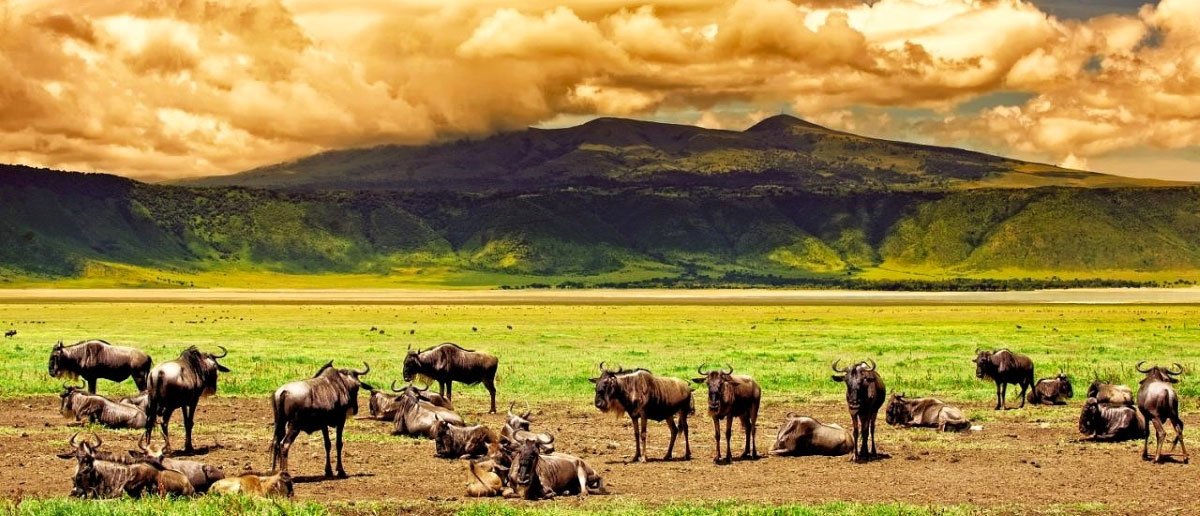
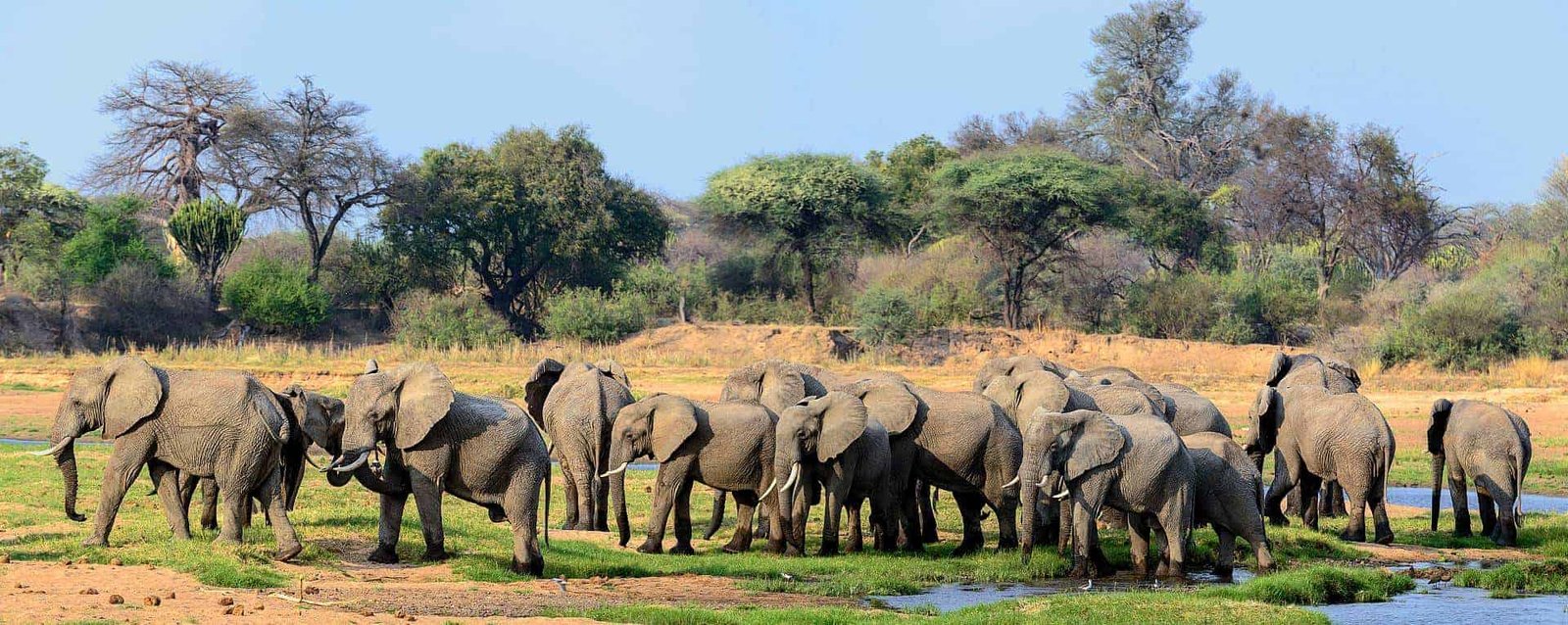
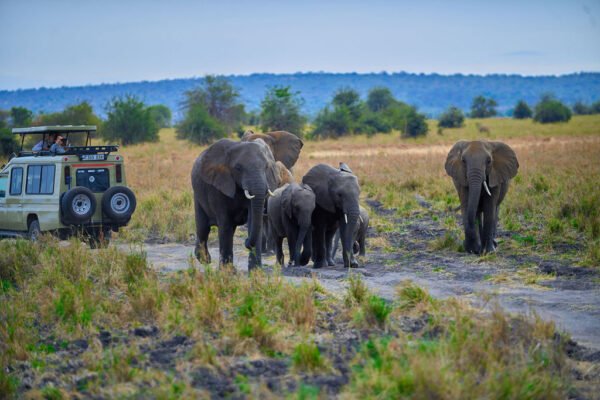
Visitors can see elephants, giraffes, zebras, buffalo, hippos, baboons, and many antelope species. Lake Manyara is especially known for birdlife, with over 400 bird species, making it a top destination for birdwatching.
When is the best time to visit Lake Manyara National Park?
Lake Manyara can be visited year-round, but the dry season from June to October is ideal for wildlife viewing. The wet season from November to May offers lush green landscapes, excellent bird watching, and fewer crowds.
How do visitors get to Lake Manyara National Park?
Most visitors travel by road from Arusha in a 4×4 safari vehicle, which takes about two hours. The park is often included as part of a guided safari itinerary along with Tarangire, Ngorongoro, and Serengeti.
What makes Lake Manyara National Park unique?
Lake Manyara is unique for its compact size combined with diverse ecosystems and scenic beauty. The combination of tree-climbing lions, dense forests, dramatic Rift Valley views, and abundant birdlife makes it a distinctive and memorable safari destination.